

Research

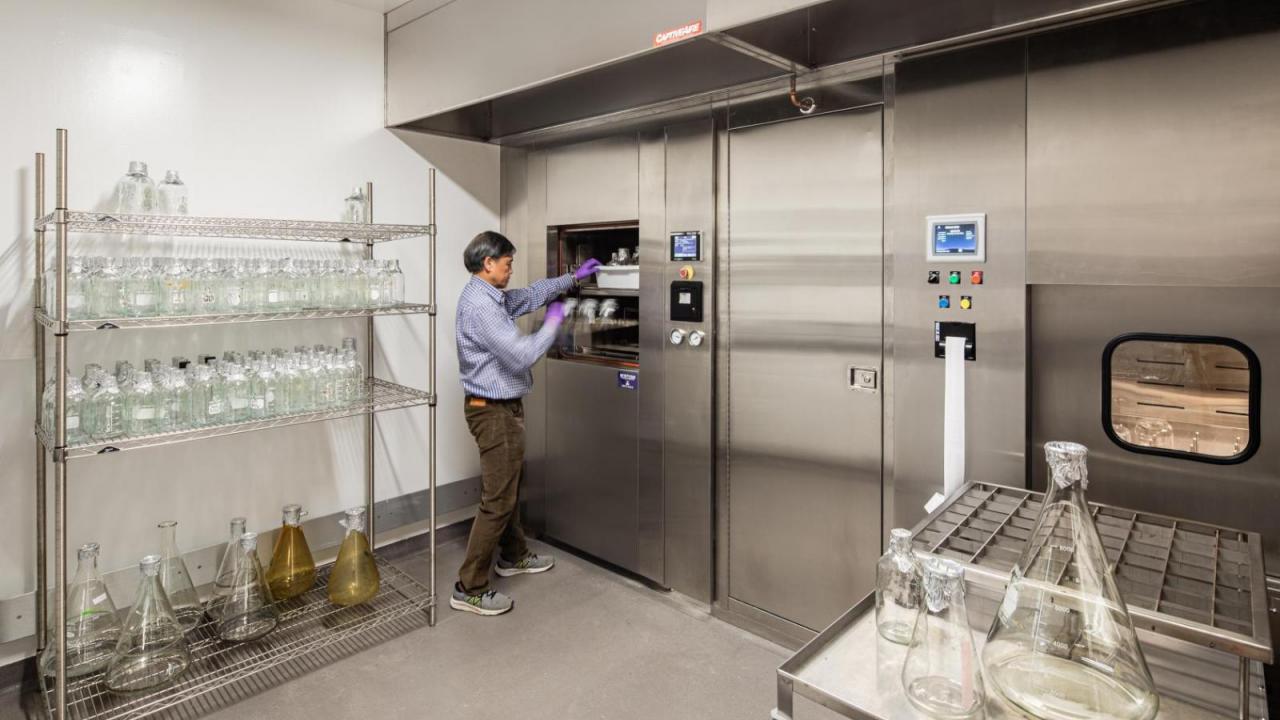
We have adopted a multidisciplinary approach - virology, immunology, molecular biology, and clinical medicine - to pursue a number of projects in AIDS research
News
-
Source:
South China Morning PostJuly 22, 2023Columbia University’s Professor David Ho told the Post that the Univ of Hong Kong (HKU) and Beijing’s Tsinghua University had given their blessing to the plan to build a “Pandemic Research Alliance”.
-
Source:
BioSpectrumJuly 18, 2023Acclaimed US-based Columbia Univ virologist Prof D. Ho and HKU microbiologist Prof KY Yuen are teaming up to create a global alliance for conducting research in emerging infectious diseases.
-
Source:
Editorial by SCMP EditorialJuly 20, 2023The initiative by Columbia Univ Prof D Ho and HKU Prof KY Yuen to create a global partnership to study emerging Inf Dis joined by China’s Tsinghua Univ and Doherty Inst/Univ of Melbourne in Australia.
-
Source:
Columbia University Irving Medical CenterMarch 4, 2022It is vital for the field to continue to track the emergence of new variants.
-
Source:
natureAugust 24, 2021A new COVID variant, B.1.526 surge across New York and the US